.svg)
Palm Springs desert homes use blockwork, shade, courtyards, controlled light, and restraint to create calm, heat-ready spaces.
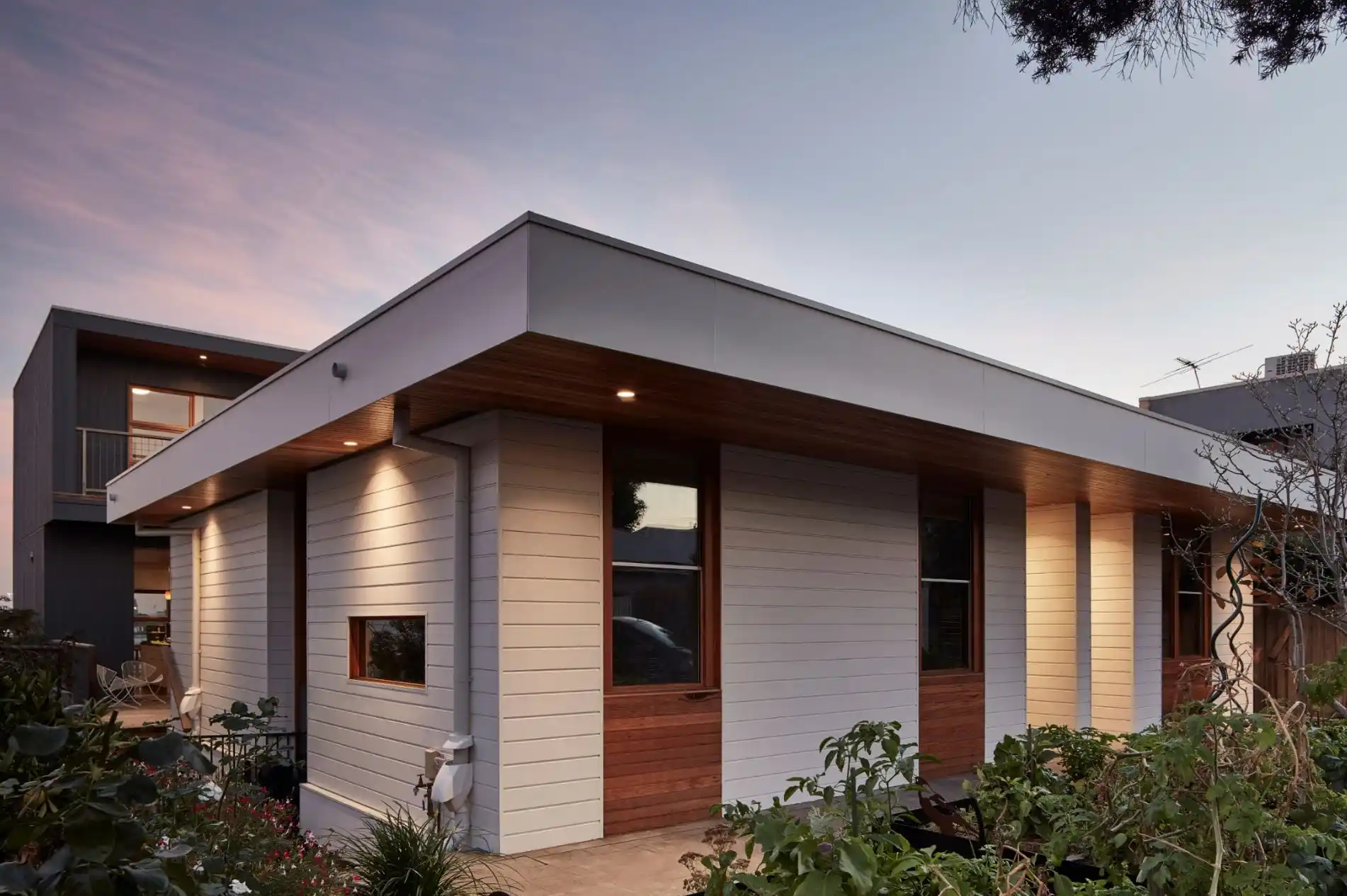
Palm Springs is one of those places that looks effortless, but nothing about it is accidental. The homes feel calm. The streets feel slow. The architecture sits lightly on the landscape, yet it still feels strong and timeless.
When we spent time there, we didn’t just see a “style.” We saw climate logic. We saw restraint. We saw design decisions that respond directly to heat, light, and comfort.
Palm Springs sits in a harsh environment. The sun dominates. Heat becomes constant. Shade becomes survival. That pressure creates honest architecture.
Here are five things we learned about desert architecture from Palm Springs, and why these ideas still matter.
The first thing that stood out to us in Palm Springs was blockwork.
Not because it looks trendy, but because it performs.
We saw blockwork used in walls, screens, fences, and outdoor structures. In many homes, it becomes the defining element that shapes privacy, shade, and experience.
Blockwork suits the desert because it feels grounded. It creates texture without decoration. It holds visual weight, and it handles heat well.
We also love how blockwork acts like a filter. It can protect a space without sealing it off. It supports airflow while reducing glare and exposure.
That balance is one of the most important lessons in desert design. You don’t close everything down. You design the threshold.
Blockwork also creates patterns and shadows in a way that feels natural in the desert. When sunlight hits textured surfaces, the wall comes to life. It changes throughout the day. That movement adds interest without adding clutter.
We noticed that many homes use blockwork as a boundary that still feels breathable. Instead of solid fencing that shuts the world out, blockwork screens create privacy while allowing glimpses of sky and landscape. That small detail changes how a home feels. It feels protected, not trapped.
This approach works especially well in areas where you want privacy but still want light and air. The desert forces that balance, and blockwork delivers it.
Palm Springs doesn’t treat shade as a nice-to-have. Shade becomes a structural decision.
Overhangs, pergolas, deep roof lines, and covered outdoor zones appear everywhere. These aren’t decorative features. They control heat gain and protect the interior environment.
We noticed that many homes create long shaded edges. These edges become circulation zones and outdoor rooms. They shape the daily rhythm of the home.
Desert design makes outdoor living possible by controlling exposure, not by hoping for comfort.
We also noticed that shade in Palm Springs often appears in layers. A roof overhang creates the first layer. A pergola creates the second. A screen wall creates the third. Planting and outdoor furniture create the final layer.
This layering matters because heat doesn’t behave politely. The sun moves. It changes angles. It finds openings. A single shading element rarely solves the whole problem. Layering gives you control across the full day.
This is one of the most practical lessons we can take from desert architecture. Shade needs a strategy. When you treat outdoor spaces as a design system, they become usable rather than ornamental.
Courtyards show up everywhere in Palm Springs, and they rarely feel like an afterthought. They act as microclimates.
Courtyards create protected outdoor rooms. They soften light. They reduce harshness. They give the home a private outdoor centre without relying on large backyards.
Then there’s water.
Pools and water features appear often, but not only for aesthetics. Water changes how a space feels. It cools the air around it. It adds sound. It slows the pace.
In a harsh climate, water brings softness.
Even homes without pools still often use courtyards to create relief and usability.
Courtyards also create a sense of stillness, changing how people use a home. You don’t feel rushed. You naturally slow down. The space invites quiet moments, even if the rest of life feels busy.
We saw courtyards that felt like private worlds. Walls protected them from noise and exposure. Openings framed small slices of sky. Planting softened the edges. Even without luxury finishes, these spaces felt valuable because they offered relief.
Palm Springs reminds us that outdoor spaces don’t need to be huge to matter. They need to feel intentional. A well-designed courtyard can offer greater comfort than a large outdoor area that sits exposed and unused.
Palm Springs homes use light beautifully, but they don’t let it dominate.
Desert light is intense. It bounces. It creates glare. If the architecture doesn’t manage it, interiors become uncomfortable quickly.
We saw a lot of filtered light, not harsh light.
Many homes frame views carefully. They choose where the light enters. They avoid exposing every room to full intensity for the entire day.
This lesson transfers directly into modern residential design.
More glass does not automatically mean better living. Comfort matters more than brightness.
Glare is one of the most underestimated comfort issues in modern homes. People often talk about insulation and heating, but glare quietly ruins a room's feel. It makes people squint. It makes screens hard to use. It makes a space feel harsh even when it looks beautiful in photos.
Palm Springs homes avoid that mistake. They don’t chase brightness for its own sake. They shape light so it feels soft and livable.
This is why we saw so many filtered views and framed openings. The architecture makes the light feel human. It respects the reality that comfort is sensory, not theoretical.
Palm Springs architecture has quiet confidence.
We didn’t see homes overloaded with detail. We didn’t see buildings trying to prove something. We saw restraint.
This isn’t minimalism for trend. It’s climate intelligence.
In harsh heat, too much visual noise becomes tiring. High contrast and glossy finishes can feel aggressive.
Many homes rely on:
That combination creates calm and longevity.
Palm Springs is not Melbourne. But the principles still translate.
We still face:
Palm Springs reminds us to design homes that work with nature, not against it.
These are practical lessons. They apply to new builds and renovations alike.
What stayed with us most was how the best homes didn’t feel like they were trying to impress anyone. They felt like they were trying to support daily life in the heat.
That mindset is worth carrying into every project. A home should feel calm when you walk into it. It should feel like the space works with you, not against you. Palm Springs achieves that through simple decisions repeated with discipline.


