.svg)
Biophilic design has become a familiar phrase in architecture and interior design, but many homeowners still wonder what it actually means.
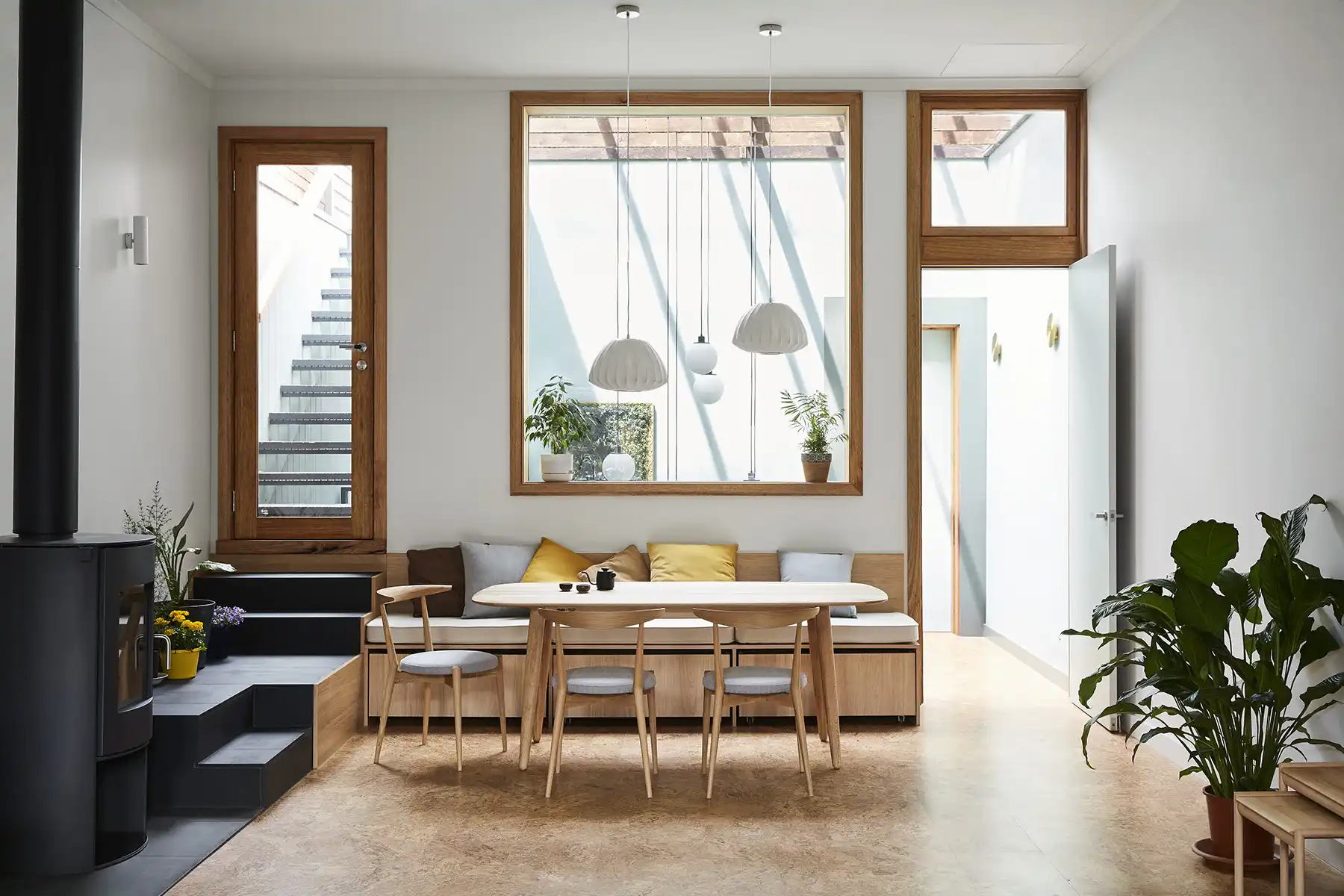
Biophilic design has become a familiar phrase in architecture and interior design, but many homeowners still wonder what it actually means. Is it a trend? Is it a marketing buzzword? Or is it something that genuinely improves our wellbeing?
At Sustainable Homes Melbourne, we see biophilic design as a natural and important part of creating healthy, comfortable homes. Humans are animals, and we respond to our surroundings more than we realise. When our environments feel cramped, noisy, cold, harsh, or disconnected from nature, our bodies react. We feel stressed, overwhelmed, distracted, or fatigued. When our environment feels calm, green, warm, and familiar, we settle. Our mind clears. Our senses soften. We feel human again.
Biophilic design supports that shift. It gives us a connection to nature inside the place we spend most of our lives.
Biophilic design is the practice of bringing natural light, materials, patterns, textures, and environmental rhythms into the home. It is about creating a healthy relationship with nature through architecture, interiors, and daily living habits.
The idea is not new. Humans have always gravitated toward nature. We sit near the windows. We step outside when we need clarity. We calm down when we hear running water or birds. We relax when we touch timber, stone, or warm textures. We feel grounded when we see greenery.
Biophilic design is simply the intentional version of what our bodies already know.
The concept had a resurgence around 2020 when many people spent long periods indoors during lockdowns. Homes without natural light or views became a major source of stress. Since then, the interest in biophilic design has stayed steady because people recognise how deeply it affects mood, sleep, productivity, and general wellbeing.
We rarely think about it, but we instinctively move toward light. Our eyes pull toward windows, sky, reflections, and movement. We respond to fresh air. We notice warmth and shadow. These tendencies sit deep within us, and they explain why good design feels effortless.
Homes with strong natural cues help regulate our circadian rhythm, lower stress, support recovery, and improve mental clarity. Studies consistently show measurable improvements in well-being when homes integrate natural patterns and sensory experiences.
By contrast, highly artificial environments create the opposite effect. A hospital corridor, for example, often feels cold and unsettling. A multi-level car park triggers alertness and discomfort because unpredictable noise bounces off hard surfaces. Even busy shopping centres can heighten anxiety.
These environments do not pose real danger, but our nervous system reads them as uncomfortable. Biophilic design softens those responses through light, texture, movement, and natural sound.
People on the autism spectrum often demonstrate this sensitivity more clearly. They tend to feel more distressed in harsh, noisy environments and more regulated in low-stimulation, natural spaces. Many neurotypical people share similar experiences even if they do not recognise it consciously.
A small plant-filled corner, a quiet courtyard, or a room with warm textures can change how we feel in minutes.
We see the benefits of biophilic design every day. Some homeowners tell us they feel better simply by sitting near a large window. Others enjoy a garden outlook, a patch of greenery, a small water feature, or a breeze flowing through the home.
One example that stays with our team involved a client who wanted a swimming pool not for recreation, but for the calming sound of water. It became a soothing sensory element that improved her well-being. That is biophilic design in its simplest form. Sure, a swimming pool to calm you may be over the top but you might consider a small pond or even a bird bath.
Another example comes from a silent retreat in Bali that some of us have visited. It sits within gardens, flowing water, trees, and farmland. The environment is full of natural stimulation. Even with no silence rules enforced, it brings deep calm because nature does the heavy lifting.
These experiences remind us how much our environment shapes how we feel.
Many of our projects integrate biophilic design naturally because it aligns with our values. We often design homes with strong indoor-outdoor connections, openable windows, roof gardens, view corridors, and materials that feel warm to the touch.
We regularly work with terrace homes in inner-city Melbourne where space is tight, so simple design moments matter even more. A well-positioned courtyard can transform light, comfort, and liveability. We once stepped away from a project because the client wanted to maximise every square metre and remove the internal courtyard entirely. Without it, the home would have become dark, cold, and lifeless. We create homes that feel good to live in, not just homes that tick a box.
Natural light plays a major role in these decisions. If you are in a dark room with a single window, you instinctively turn toward it. Light brings life into a home. It shapes mood and energy far more than people expect.
Large windows and sliding doors can affect energy ratings, especially in heritage areas or tight urban sites. Even so, natural light and green outlooks remain essential to wellbeing.
Energy performance matters, but we must balance it with human needs.
We encourage every homeowner to consider the following five principles when planning a renovation or new build.
Position the kitchen, living, and dining areas to maximise winter sun. Use windows that frame greenery, sky, and natural elements. Avoid views dominated by fences or walls. If orientation limits natural light, skylights can help, although they should be used thoughtfully to prevent heat loss.
Fresh air improves mood and strengthens the sense of comfort. Cross-flow ventilation works best, provided you include operable windows or vents on opposing sides. Allow the home to breathe and embrace natural airflow instead of relying solely on mechanical systems.
Timber, stone, recycled bricks and natural fibres create tactile comfort. These materials feel familiar, honest and grounded. Smooth synthetic finishes do not deliver the same sensory effect. Even small elements like door handles, benchtops and tiles can shift how a space feels.
Sliding doors that open to a deck or courtyard give the home a sense of openness and freedom. When you sit at a kitchen bench with a view of greenery, you naturally rotate toward that direction. Humans feel safer and more relaxed when we can see our surroundings.
Small gardens, roof gardens, and planters attract birds, bees, and butterflies. These natural interactions enrich daily life. Something as simple as a bird bath can bring movement, pattern and colour to a home. Treat your home as part of a broader ecosystem, not an isolated box.
Biophilic design is not complicated. It is not about moss rugs or gimmicks. It is about allowing your home to reflect what feels good to the human body. Light, greenery, texture, airflow, and calm rhythms make us feel more alive. They help us sleep better, think more clearly and recover from stress.
Most people already incorporate elements of biophilic design without realising it. Our goal is to help homeowners use these principles intentionally so they can build homes that feel deeply comfortable for years to come.


